Tooth Colored Filling
Dentist McHenry, IL
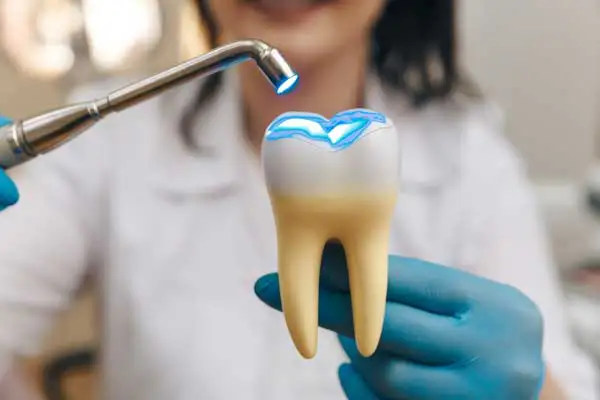 Tooth-colored fillings have become a widely used restorative option for treating cavities while maintaining a natural-looking smile. Designed to blend in with surrounding teeth, these restorations allow patients to address tooth decay without drawing attention to dental work. In addition to their visual advantages, tooth-colored fillings support tooth structure and adapt well to modern restorative techniques. Many patients choose this option because it combines function, comfort, and appearance in a single treatment. Tooth-colored fillings have become a widely used restorative option for treating cavities while maintaining a natural-looking smile. Designed to blend in with surrounding teeth, these restorations allow patients to address tooth decay without drawing attention to dental work. In addition to their visual advantages, tooth-colored fillings support tooth structure and adapt well to modern restorative techniques. Many patients choose this option because it combines function, comfort, and appearance in a single treatment.
Understanding Tooth-Colored Fillings
Tooth-colored fillings, also known as composite fillings, are used to restore teeth affected by decay, minor damage, or wear. Unlike older metal-based materials, composites are designed to match the natural shade of your teeth. This allows the dentist to restore function while preserving the appearance of your smile. Tooth-colored fillings bond directly to the enamel, creating a secure restoration that supports the remaining tooth structure.
These fillings are commonly placed after removing decayed tooth material and preparing the surface for bonding. Once applied, the composite material is shaped to fit the tooth precisely and hardened using a special curing light. The result is a smooth, durable restoration that blends in naturally with surrounding teeth.
The Benefits Of Tooth-Colored Fillings
One of the most recognized benefits of tooth-colored fillings is their natural appearance. Because the composite material is shade-matched to your tooth, the restoration is difficult to detect when you smile or speak. This makes them especially appealing for patients who prefer a more discreet solution for treating cavities.
Another advantage is the conservative nature of the preparation process. Tooth-colored fillings bond directly to enamel, which allows the dentist to remove only the damaged portion of the tooth. Preserving more natural tooth structure helps maintain overall tooth strength and supports long-term oral health. The bonding process also reinforces the tooth, reducing the likelihood of future damage.
Composite fillings respond well to temperature changes, minimizing stress on the tooth. This characteristic helps lower the risk of cracks that can develop over time with materials that expand and contract more dramatically. Many patients also appreciate that tooth-colored fillings do not contain mercury. The placement process is typically completed in a single visit, and once the material is cured, patients can resume normal activities shortly after treatment.
What Teeth Are Tooth-Colored Fillings Placed On?
Tooth-colored fillings are versatile and can be used on both front and back teeth. Advances in composite materials have made them strong enough to handle the chewing forces associated with molars and premolars. Our dentist routinely uses these fillings to restore small to moderate cavities in all areas of the mouth.
Front teeth are particularly well suited for composite restorations due to their visibility. When placed on these teeth, tooth-colored fillings maintain a uniform appearance that supports a confident smile. Back teeth also benefit from composite fillings, especially when decay is visible during speaking or laughing. In cases where a cavity is extensive or the tooth has significant structural loss, other restorative options may be recommended to provide additional support.
What Materials Are Used to Create Tooth-Colored Fillings?
Tooth-colored fillings are made from a composite blend of plastic resin and finely ground glass particles. This combination is engineered to resemble natural enamel in both appearance and function. The resin component allows the material to bond securely to the tooth, while the glass particles contribute strength and resistance to wear.
Modern composite materials have advanced considerably, providing greater strength and a smoother, more refined finish. The dentist can choose from a wide range of shades to ensure the filling matches the surrounding tooth structure. Once placed and cured, the composite surface is smoothed and shaped to fit comfortably within your bite.
Composite Fillings vs Other Filling Materials
Several filling materials are available, each with unique characteristics. Traditional metal fillings have a long history of use and are known for durability, particularly in areas exposed to heavy chewing forces. However, their noticeable appearance makes them less appealing for visible teeth.
Gold restorations provide exceptional strength and longevity, though they are highly visible and typically require multiple visits. Glass ionomer fillings release fluoride, which can support decay prevention, but they are generally less durable and used in specific situations.
Tooth-colored fillings offer a balance of strength and aesthetics. For small to medium-sized cavities, composite materials perform well in both front and back teeth. Because they bond directly to enamel, they help reinforce the remaining tooth structure. Choosing the appropriate material depends on factors such as cavity size, location, and individual oral habits, which Dr. Sturt will evaluate during treatment planning.
Longevity of Tooth-Colored Fillings
The longevity of tooth-colored fillings varies based on several factors. On average, these restorations last between five to 10 years, though many remain functional beyond that range with proper care. The size of the filling and its position in the mouth influence wear, as back teeth are exposed to greater chewing pressure.
Daily oral hygiene plays a significant role in extending the life of a filling. Brushing, flossing, and routine dental visits help prevent new decay from forming around the restoration. The dentist will monitor any fillings during regular checkups and can address early signs of wear before they progress.
Bite alignment and habits such as clenching or grinding teeth also affect durability. Patients who grind their teeth may experience faster wear on restorations. Protective appliances may be recommended to help reduce stress on both fillings and natural teeth. Following professional guidance supports the long-term success of tooth-colored fillings.
The Tooth-Colored Filling Placement Process
Receiving a tooth-colored filling is a straightforward process. After numbing the area, the dentist removes the decayed portion of the tooth and cleans the surface thoroughly. The composite material is then applied in layers, with each layer cured using a special light. This step-by-step approach ensures a secure bond and precise shaping.
Once the filling is fully cured, the dentist adjusts the bite and polishes the surface for a smooth finish. Most patients find the procedure comfortable and are able to return to normal routines shortly after the appointment.
Restoring Your Smile With Tooth-Colored Fillings
Tooth-colored fillings provide a reliable way to treat cavities while preserving the natural look of your smile. Their versatility, durability, and aesthetic benefits make them a popular choice for patients seeking modern restorative care. If you have concerns about tooth decay or existing restorations, scheduling an evaluation at McHenry Smile Center allows us to determine whether tooth-colored fillings are appropriate for your needs. Schedule an appointment with us today by calling (815) 578-1000. |