Facial Trauma
Dentist McHenry, IL
 Facial trauma refers to injuries affecting the teeth, gums, jaw, lips, cheeks, or facial bones. These injuries can occur unexpectedly during sports, falls, vehicle accidents, workplace incidents, or recreational activities. Even a seemingly minor injury to the mouth can have lasting effects if it is not evaluated and treated promptly. Because the face contains delicate structures that are essential for speaking, eating, breathing, and smiling, professional dental care plays an important role in restoring both oral health and facial function after an injury. Facial trauma refers to injuries affecting the teeth, gums, jaw, lips, cheeks, or facial bones. These injuries can occur unexpectedly during sports, falls, vehicle accidents, workplace incidents, or recreational activities. Even a seemingly minor injury to the mouth can have lasting effects if it is not evaluated and treated promptly. Because the face contains delicate structures that are essential for speaking, eating, breathing, and smiling, professional dental care plays an important role in restoring both oral health and facial function after an injury.
Dentists are often among the first healthcare providers to evaluate facial trauma involving the mouth and jaw. They have the training and technology to identify damaged teeth, assess injuries to the supporting structures, and develop treatment plans that restore comfort, appearance, and function. Early diagnosis is one of the most important factors in achieving the best possible outcome. At McHenry Smile Center we are here to help.
Common Causes of Facial Trauma
Facial injuries can happen to people of all ages. Some injuries are relatively minor, while others require emergency treatment and ongoing care.
Common causes include:
| • |
Falls
|
| • |
Sports injuries
|
| • |
Bicycle, motorcycle, or automobile accidents
|
| • |
Physical altercations
|
| • |
Playground accidents
|
| • |
Workplace injuries
|
| • |
Recreational activities such as skateboarding or skiing |
Children often experience dental injuries during play or sports, while adults are more likely to sustain facial trauma in vehicle accidents, contact sports, or workplace incidents. Regardless of the cause, every injury deserves a professional evaluation because damage is not always visible.
Signs and Symptoms of Facial Trauma
Some injuries are immediately noticeable, while others become apparent over time. Hidden damage may exist even if discomfort seems minimal.
Signs of facial trauma may include:
| • |
Broken or chipped teeth
|
| • |
Loose or displaced teeth
|
| • |
Knocked-out teeth
|
| • |
Bleeding from the mouth or gums
|
| • |
Swelling of the lips, cheeks, or jaw
|
| • |
Difficulty opening or closing the mouth
|
| • |
Jaw pain
|
| • |
Changes in the way the teeth fit together
|
| • |
Facial bruising
|
| • |
Tooth sensitivity |
If any of these symptoms occur after an accident, prompt dental care at McHenry Smile Center can help prevent additional complications.
Why Prompt Evaluation Matters
Not every dental injury causes immediate pain. A tooth may appear healthy while the nerve or supporting tissues have been damaged. Small fractures can also weaken teeth over time if they are not repaired.
During a dental examination, the dentist, Dr. Michael Sturt, DDS, evaluates the teeth, gums, jaw movement, bite alignment, and surrounding tissues. Digital X-rays or other imaging may be used to identify fractures, root injuries, or jaw damage that cannot be seen during a visual examination.
An accurate diagnosis allows treatment to begin before problems become more serious.
Treating Chipped and Broken Teeth
Chipped and fractured teeth are among the most common injuries associated with facial trauma. Treatment depends on the extent of the damage.
Small chips affecting only the enamel can often be repaired with tooth-colored dental bonding. Larger fractures may require a dental crown to restore strength and protect the remaining tooth structure.
If the fracture extends into the inner portion of the tooth where the nerve is located, root canal therapy may be recommended before placing the crown. Prompt treatment helps preserve the natural tooth whenever possible.
Saving Knocked-Out Teeth
A tooth that has been completely knocked out requires immediate attention. In many cases, it can be successfully replanted if treatment occurs quickly.
If possible, pick up the tooth by the crown rather than the root and gently rinse away visible dirt with water. Avoid scrubbing the tooth. If it cannot be placed back into the socket, store it in milk or a tooth preservation solution while traveling to the dental office.
The sooner treatment begins, the greater the chance of saving the natural tooth.
Managing Loose or Displaced Teeth
Trauma can loosen teeth or shift them out of their normal position without completely removing them from the socket.
The dentist may gently reposition the tooth and stabilize it using a flexible splint attached to neighboring teeth. This allows the supporting tissues and bone to heal while reducing movement during recovery.
Regular follow-up visits are important because injured teeth sometimes require additional treatment if the nerve loses its blood supply.
Repairing Soft Tissue Injuries
Facial trauma frequently causes injuries to the lips, tongue, cheeks, and gums. Although these injuries often bleed heavily, many heal well with proper care.
The dentist carefully cleans the wound, removes debris, and evaluates the injury for embedded tooth fragments or other foreign material. Smaller lacerations may heal naturally, while larger cuts may require sutures to encourage proper healing.
Treating Jaw Injuries
A strong impact can damage the jaw joint or fracture the jawbone. Symptoms may include severe pain, swelling, difficulty opening the mouth, numbness, or noticeable changes in the bite.
The dentist evaluates jaw injuries using a clinical examination and diagnostic imaging. Minor injuries may respond well to rest, a soft diet, medication, and monitoring. More severe fractures are often treated in collaboration with an oral and maxillofacial surgeon to restore proper jaw function.
Replacing Teeth That Cannot Be Saved
Unfortunately, some injuries are too severe to allow the natural tooth to be preserved. Extensive fractures or damage below the gumline may require extraction.
After healing, missing teeth can often be replaced with dental implants, dental bridges, or partial dentures. Replacing missing teeth helps maintain proper bite alignment, restores chewing ability, and supports a healthy smile.
Monitoring Recovery
Treatment does not end after the initial emergency visit. Injured teeth should be monitored because some complications develop weeks or months after the accident.
Follow-up appointments allow the dentist to evaluate healing, monitor tooth vitality, and identify any developing problems before they become more serious. Patients should also report new symptoms such as pain, swelling, discoloration, or increased tooth mobility.
Preventing Facial Trauma
Although accidents cannot always be prevented, several simple precautions can reduce the risk of serious injury.
Custom mouthguards provide valuable protection during contact and recreational sports. Wearing helmets for activities such as cycling and skateboarding, using seat belts, following workplace safety guidelines, and addressing fall hazards at home also help reduce the likelihood of facial injuries.
These preventive measures can significantly lower the risk of damage to the teeth, jaw, and surrounding tissues.
Protect Your Smile After Facial Trauma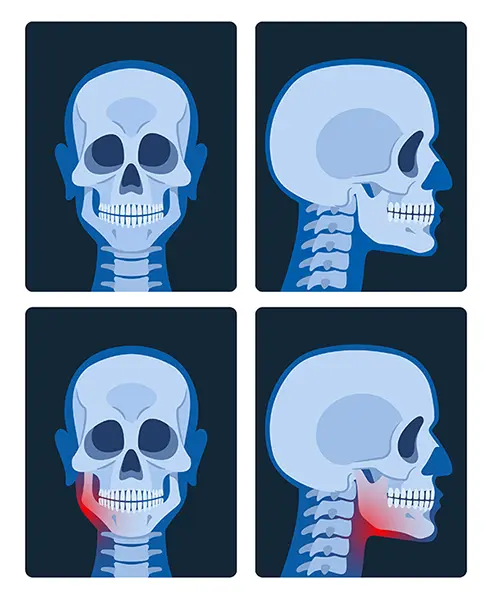
Facial trauma can affect much more than appearance. Injuries involving the teeth, jaw, and soft tissues may interfere with eating, speaking, and everyday comfort if they are not treated promptly. Fortunately, modern dentistry offers many effective solutions to repair damaged teeth, restore oral function, and improve long-term outcomes.
Whether the injury involves a chipped tooth, a knocked-out tooth, soft tissue damage, or a jaw injury, seeking immediate dental care at McHenry Smile Center gives you the best opportunity for a successful recovery. Early diagnosis and treatment can preserve natural teeth, reduce the risk of complications, and help you return to normal activities with confidence.
|