Broken FillingMcHenry, IL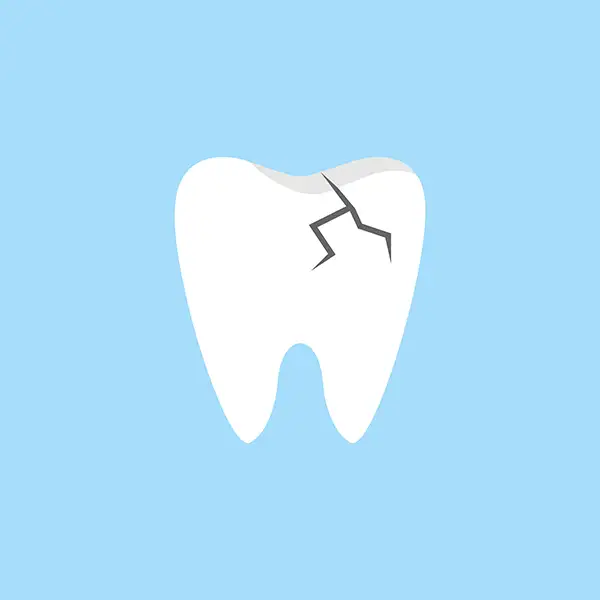 A single broken filling is common enough on its own, but some patients find themselves dealing with more than one breaking down around the same time, or noticing a recurring pattern of fillings failing again and again over the years. When this happens, it is worth looking beyond the individual tooth to understand what might be contributing to the bigger picture. A single broken filling is common enough on its own, but some patients find themselves dealing with more than one breaking down around the same time, or noticing a recurring pattern of fillings failing again and again over the years. When this happens, it is worth looking beyond the individual tooth to understand what might be contributing to the bigger picture.When One Broken Filling Becomes A PatternIt is not unusual for a patient to come in to McHenry Smile Center with one broken filling, only to learn during the exam that another filling nearby is also showing early signs of wear and tear. In some cases, several fillings break within a relatively short span of time, which understandably raises concerns about what might be going on beneath the surface. While each filling is its own restoration with its own individual lifespan, multiple fillings failing around the same time is often a signal that something broader is affecting the mouth as a whole, rather than simply being a coincidence. Possible Causes Behind Multiple Filling FailuresSeveral underlying factors, ranging from physical habits to dietary patterns, can contribute to more than one filling breaking down at once:
Identifying which of these specific factors is at play makes a significant difference in how treatment moves forward, since addressing the underlying cause helps prevent the same issue from happening again with new fillings down the road. The Role Of Teeth GrindingTeeth grinding and clenching deserve particular attention, since they are among the most common reasons multiple fillings fail around the same time. Many people who grind their teeth are completely unaware of the habit, especially if it happens during sleep. Over months and years, this repeated, excessive force affects fillings throughout the mouth rather than concentrating on a single tooth, which is why patients who grind their teeth often notice several restorations wearing down on a similar timeline. Identifying teeth grinding as a contributing factor allows our team to recommend solutions, such as a custom [[[page68818|nightguard]]], that protect new and existing fillings from the same fate going forward. When Bite Alignment Plays A RoleA bite that is slightly out of alignment can also concentrate excessive force on specific teeth every time you chew. Over time, the fillings in those particular teeth bear a disproportionate amount of pressure compared to the rest of the mouth, which can lead to a pattern of repeated breakage in the same general area. Evaluating how your teeth come together during a routine exam helps determine whether this is contributing to the issue. Why Looking At The Bigger Picture MattersTreating each broken filling individually, without considering why it happened in the first place, often means addressing the same problem repeatedly over time. By stepping back and looking at the full picture, including habits, bite alignment, and oral hygiene patterns, our team can recommend a plan that protects not just the tooth in front of us, but your other fillings as well. This broader approach often involves a combination of solutions. A new filling addresses the immediate damage, while a nightguard, bite adjustment, or updated hygiene routine addresses the underlying cause, helping prevent the same pattern from repeating with other teeth down the road. Considering Diet And Acid ExposureDiet and acid exposure deserve attention as well when multiple fillings begin to fail around the same time. Frequent consumption of acidic foods and drinks, including citrus, soda, and sports drinks, can gradually weaken the margins of several fillings simultaneously, since the entire mouth is exposed to the same acidic environment with each meal or beverage. Patients dealing with acid reflux may notice a similar pattern, since stomach acid reaching the mouth affects multiple teeth in a way that diet alone usually does not. When acid exposure is identified as a contributing factor, addressing the underlying cause, whether through dietary adjustments or managing reflux with the help of a physician, becomes an important part of protecting any new dental work from facing the same fate as the fillings that just failed. Why Honest Communication HelpsPatients sometimes feel hesitant to mention habits like teeth grinding, frequent snacking, or skipped flossing, worrying it might reflect poorly on them. In reality, this kind of honest information is exactly what helps our team connect the dots between multiple broken fillings and their underlying cause. A pattern that seems mysterious from the outside often becomes clear once these everyday details are part of the conversation. There is no judgment involved in these discussions. The goal is simply to understand your daily habits well enough to recommend a plan that genuinely fits your lifestyle and addresses the actual cause of the problem, rather than guessing at a solution without the full picture. What To Expect During Your EvaluationIf you have experienced multiple broken fillings, Dr. Sturt will take time during your visit to look at the full picture rather than focusing solely on the tooth that is currently causing concern. This typically includes reviewing your dental history, examining how your teeth fit together, and discussing any habits, such as teeth grinding or frequent snacking, that may be contributing to the pattern. Understanding the root cause is often the key to breaking the cycle and protecting your remaining natural teeth and dental work going forward. This evaluation is rarely a single conversation. As new fillings are placed and protective measures such as a nightguard are introduced, our team continues to monitor how things hold up at each subsequent visit, adjusting the plan if needed. The goal is a lasting solution, not just a quick fix for the tooth that happens to be causing trouble today. Patients are often relieved to learn that identifying the underlying cause, rather than simply repairing each tooth as it fails, tends to lead to noticeably fewer dental surprises going forward. A clear, proactive plan brings peace of mind alongside the practical benefit of fewer unexpected appointments. Break The Cycle Of Repeated RepairsIf you have noticed more than one filling failing recently, or if you feel like you are back in the dental chair for a broken filling more often than expected, it is worth having a closer look at what might be driving the pattern. Our team at McHenry Smile Center is ready to help identify the cause and put a plan in place to protect your smile. Call (815) 578-1000 to schedule an evaluation today. |
 Office Hours
Monday: 8:00am - 5:00pm Tuesday: 8:00am - 5:00pm Wednesday: 8:00am - 5:00pm Thursday: 8:00pm - 5:00pm Friday: 8:00am - 2:00pm Saturday: Closed Sunday: Closed |